


Traditional Knowledge and Modern Approaches in Roasted Chickpea Produc..
Roasted chickpeas hold an important place among Türkiye's traditional snacks. With a distinctive production process, a variety of product types, and a long history of consumption, roasted chickpeas are more than a food product. They are also part of a production culture associated with particular regions. Serinhisar, in Denizli, is one of the places where this culture continues and production knowledge is passed from one generation to the next.
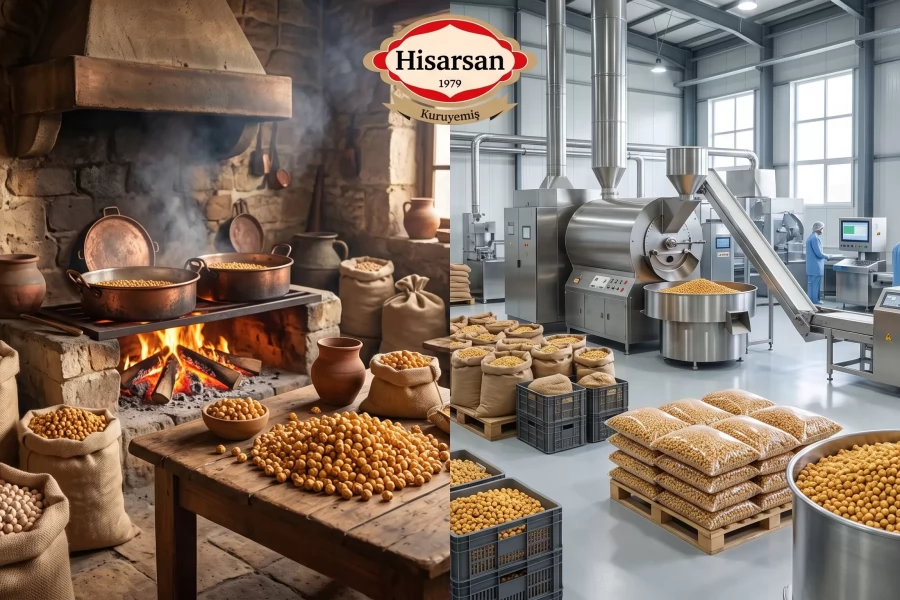
Traditional production knowledge helps preserve the characteristic qualities of roasted chickpeas, while modern approaches can make production processes more organized and controlled. Bringing these approaches together in a balanced way is important for maintaining production traditions while responding to changing market expectations.
Serinhisar's Roasted Chickpea Production Culture
Serinhisar is one of Türkiye's well-known roasted chickpea production centers. The area's production culture has developed through years of experience and the transfer of traditional methods. Businesses involved in roasted chickpea production have built a detailed understanding of the product's characteristics and the practical aspects of the manufacturing process.
This regional tradition is not limited to preserving methods from the past. It also involves passing knowledge on to new generations, maintaining continuity in production, and protecting local values.
The production expertise developed in Serinhisar has contributed to the recognition of roasted chickpeas across Türkiye. The region is closely associated with traditional roasted chickpea production, and the experience of local manufacturers plays an important role in keeping this culture alive.
The Value of Traditional Production Knowledge
Traditional production knowledge develops through years of observation and practical experience. Understanding which conditions matter at different stages can help manufacturers achieve the desired product characteristics. This knowledge covers not only how individual steps are performed but also how changes during production can be evaluated.
In roasted chickpea production, the characteristics of the raw chickpeas, preparation stages, roasting conditions, and resting periods can influence the final product. Production experience helps these stages be managed carefully and provides guidance when different situations arise.
For traditional methods to continue effectively, knowledge must be passed on systematically. When experienced workers share their expertise with younger generations, they help preserve the production culture. The knowledge accumulated over the years can then continue to inform future production.
Modern Production Approaches and Process Management
Modern approaches in the food industry aim to make manufacturing more planned, controlled, and systematic. Production planning, appropriate equipment use, hygiene practices, quality control, and recordkeeping can help businesses manage their operations more effectively.
These approaches do not need to replace traditional production knowledge. Instead, they can support established experience through more organized processes. Following defined production standards helps maintain consistency between batches and makes it easier to identify potential issues at an earlier stage.
Modern process management can also help businesses plan for increased demand and manage different product varieties in a more controlled way. This allows production capacity, product diversity, and quality expectations to be considered together.
Quality Control and Product Consistency
Product quality is one of the main factors influencing consumer satisfaction. Taste, texture, appearance, and freshness all play an important role in how customers evaluate roasted chickpeas. Maintaining these characteristics as consistently as possible helps strengthen confidence in the product.
Quality control may cover several stages, from assessing raw materials to inspecting finished products. Maintaining suitable production conditions, following hygiene requirements, and storing products appropriately are important parts of this process.
Combining traditional production experience with planned quality control can help preserve product characteristics. This approach matters both for traditional varieties and for the development of different roasted chickpea products.
Adapting to Changing Consumer Expectations
Consumer preferences for snacks can change over time. Traditional yellow and white roasted chickpeas continue to be important, while coated varieties and other nut products contribute to a wider range of choices. This development encourages manufacturers to maintain their established products while also following new expectations.
Product development can take consumer preferences, sales channels, and market trends into account. Creating new varieties, presenting traditional products in different ways, and expanding product portfolios are all part of this approach.
The important point is to ensure that innovation remains compatible with product characteristics and quality expectations. Preserving traditional production culture and responding to changing preferences can be treated as complementary goals.
Hisarsan Kuruyemiş's Three-Generation Production Experience
Hisarsan Kuruyemiş began its production journey in 1976, founded by Hacı Mehmet Kabayuka in Serinhisar, Denizli. In 2004, the company developed its corporate structure under the name Hisarsan Kuruyemiş San. Tic. Ltd. Şti. Today, its production tradition continues into the third generation.
This history represents a valuable body of experience in passing production knowledge from one generation to the next and preserving expertise gained in the industry. Operating in Serinhisar, one of the traditional centers of roasted chickpea production, also strengthens the company's connection with the area's local production culture.
Hisarsan Kuruyemiş continues to offer traditional roasted chickpea varieties alongside coated roasted chickpeas and other nut products. Considering production experience alongside changing consumer expectations helps the company follow developments in the industry.
Bringing Tradition and the Future Together
Developing a sustainable approach to roasted chickpea production requires preserving accumulated experience while continually evaluating production processes. Traditional knowledge helps maintain the product's character and regional heritage, while modern methods can support planning, quality control, and process management.
Serinhisar's production heritage provides a strong example of how these approaches can work together. Passing experience on to new generations, maintaining a focus on quality, and following changing market conditions are all important to the future of roasted chickpea production.
Hisarsan Kuruyemiş's production journey, which began in 1976 and continues across three generations, demonstrates how traditional flavors can be preserved alongside an approach that remains open to development. This balance can help roasted chickpeas retain their traditional value while meeting the diverse expectations of today's snack market.