



The Effects of Roasting on the Aroma and Texture of Nuts
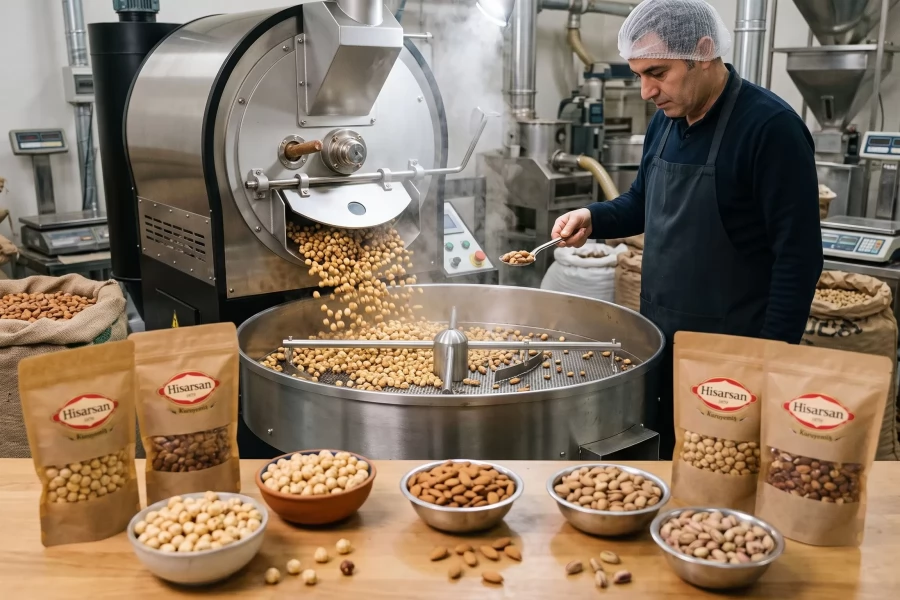
Why Is Roasting Important for Nuts?
Nuts are enjoyed in many different ways, from everyday snacks to ingredients used in food production. One of the processes that influences their characteristic qualities is roasting. This process changes the aroma, color, and texture of nuts, shaping the overall tasting experience. In products such as hazelnuts, almonds, pistachios, cashews, and roasted chickpeas, roasting helps bring out distinctive flavor characteristics.
How Does Roasting Change Aroma?
Heat causes various chemical and physical changes within nuts. These changes can produce more noticeable, intense, and characteristic aromas. In products such as hazelnuts and almonds, the aromatic qualities that develop during roasting also influence how they are used in different foods. Factors such as roasting temperature, processing time, and roasting level all play a role in the resulting aroma.
Effects on Color and Crunchy Texture
Roasting affects not only aroma but also the appearance and mouthfeel of nuts. Their surface color may change during heat treatment. When carried out under suitable conditions, roasting can help create a more pronounced crunchy texture. However, excessive heat or prolonged processing may cause the color to become too dark and produce undesirable flavors.
Is the Same Roasting Method Suitable for Every Nut?
Different types of nuts have varying oil content, moisture levels, sizes, and structural characteristics. For this reason, applying the same temperature and processing time to every product may not produce suitable results. Almonds, hazelnuts, and cashews, for example, have different roasting requirements, while roasted chickpeas involve their own processing characteristics. Selecting conditions that suit each product is important for achieving the desired flavor and texture.
How Roasting Levels Affect Product Quality
The roasting level is one of the factors that directly influences the consumer's tasting experience. Lightly roasted nuts may retain milder aromas, while more intensely roasted varieties can develop stronger flavors and scents. However, the ideal roasting level differs from one nut variety to another. Controlled processing helps preserve the product's natural character while achieving the desired flavor profile.
How Roasted Nuts Are Used in Cooking
Roasted nuts are enjoyed as snacks and are also used in a wide range of recipes. Almond and hazelnut pieces can add texture to salads, while pistachios and walnuts enrich the flavor of desserts. Roasted nuts are also common ingredients in chocolate, biscuits, cakes, and various bakery products. Their developed aromas help create distinctive flavors in these recipes.
Freshness and Storage Conditions When Choosing Nuts
Freshness and proper storage are essential for preserving the flavor characteristics of roasted nuts. Environmental factors such as air, moisture, light, and high temperatures can gradually affect their aroma and texture. Nuts should therefore be stored in suitable packaging in cool, dry conditions. When purchasing products, consumers should also check packaging integrity, expiration dates, and the general appearance of the nuts.
Hisarsan Kuruyemiş and Denizli's Nut Tradition
Hisarsan Kuruyemiş has an established place in the nut industry of Serinhisar, Denizli. The company was founded in 1976 by Hacı Mehmet Kabayuka and became a limited company in 2004. Today, it continues its operations under the management of Avni and Sercan Kabayuka. With its long-standing background in the nut sector, Hisarsan Kuruyemiş represents an important part of Denizli's traditional nut culture.
The Importance of Roasting in the Tasting Experience
Roasting is an important stage that shapes the distinctive aroma, color, and texture of nuts. Choosing processing conditions appropriate for each variety helps preserve natural flavor characteristics and create a balanced tasting experience. The traditional nut culture represented by established businesses such as Hisarsan Kuruyemiş in Denizli helps maintain the place of nuts in everyday food culture through their diverse flavors and uses.