



The Effect of Roasting on Nut Quality
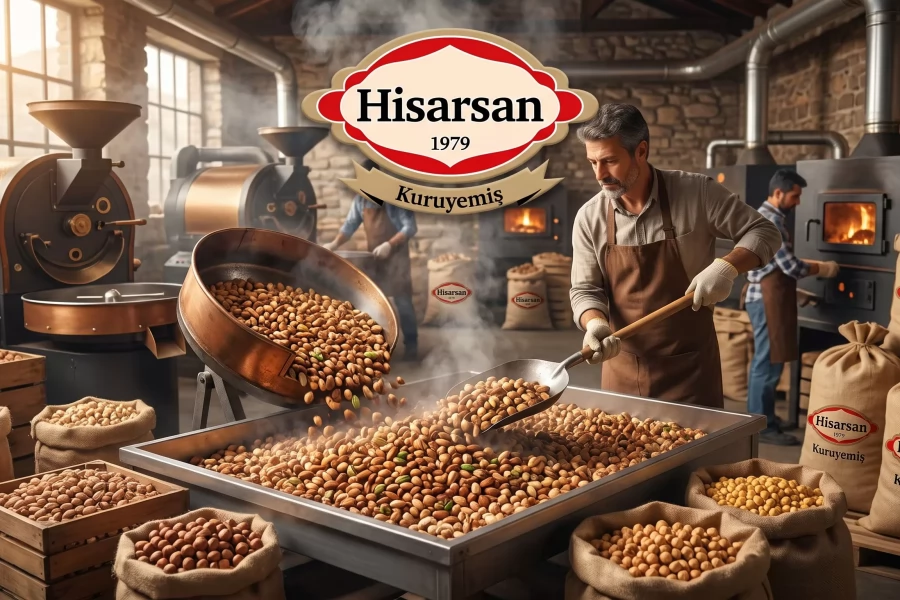
Why Is Roasting Important for Nuts?
Roasting is one of the key stages that brings out the distinctive flavour, aroma and texture of nuts. When carried out under suitable conditions, this process can enhance the natural characteristics of a product and influence the overall tasting experience. The roasting methods used for roasted chickpeas and different nut varieties may vary depending on the characteristics of each product. Since 1976, Hisarsan Kuruyemiş has continued its experience in the nut industry, drawing on the traditional roasted chickpea heritage of Serinhisar. The Effect of Roasting Temperature and Time
Temperature and duration play an important role in achieving the desired roasting result. If the temperature is too low or the process is too short, the product may not develop its intended aroma and texture. Excessive heat or prolonged roasting, on the other hand, can negatively affect colour, flavour and structure. For this reason, processing conditions should be assessed according to the characteristics of each product. Developing Flavour and Aroma
During heat treatment, the natural aromatic characteristics of nuts can become more noticeable. The distinctive smell and taste of roasted products depend on both the quality of the raw material and the conditions of the roasting process. In roasted chickpea production, this stage plays an important role in developing the product's characteristic flavour. Hisarsan Kuruyemiş brings this traditional taste culture to consumers through a variety of products. Texture and Crispness
Roasting affects not only flavour but also the physical structure of nuts. Suitable processing conditions can help products achieve their intended texture. Crispness, one of the qualities consumers often look for in roasted chickpeas and nuts, is influenced by the raw material and the different stages of production. Therefore, the roasting process should be managed in harmony with the overall characteristics of the product. Is the Same Roasting Method Suitable for Every Nut?
Different nut varieties have different sizes, oil contents, moisture levels and physical characteristics. These differences mean that variables such as temperature and roasting time need to be evaluated for each product. Almonds, hazelnuts, pistachios and roasted chickpeas do not necessarily produce the same results under identical conditions. Taking product-specific characteristics into account helps maintain the desired quality standards. The Importance of Process Control
Regular monitoring during roasting is important for maintaining consistency between products. Evaluating colour, aroma, texture and overall appearance helps track the process. Care at every stage of production contributes to the overall quality of the products offered to consumers. Hisarsan Kuruyemiş's long-standing roasted chickpea heritage reflects the value of production experience and traditional product knowledge. Traditional Flavours with Hisarsan Kuruyemiş
The journey of Hisarsan Kuruyemiş began in 1976 in Serinhisar, Denizli, and has been shaped by a production tradition closely connected with roasted chickpeas and nuts. Processes such as roasting are among the important stages that help develop the distinctive characteristics of these products. For those who want to explore different flavours in the world of nuts, Hisarsan Kuruyemiş brings traditional roasted chickpea culture together with product variety. Conclusion
Roasting is a fundamental production stage that influences the flavour, aroma and texture of nuts. Selecting suitable temperatures and processing times, monitoring production and considering the characteristics of raw materials all contribute to product quality. With its roasted chickpea heritage rooted in Serinhisar, Hisarsan Kuruyemiş continues to carry this tradition forward.