



Product Variety and Changing Market Expectations in the Nut Industry
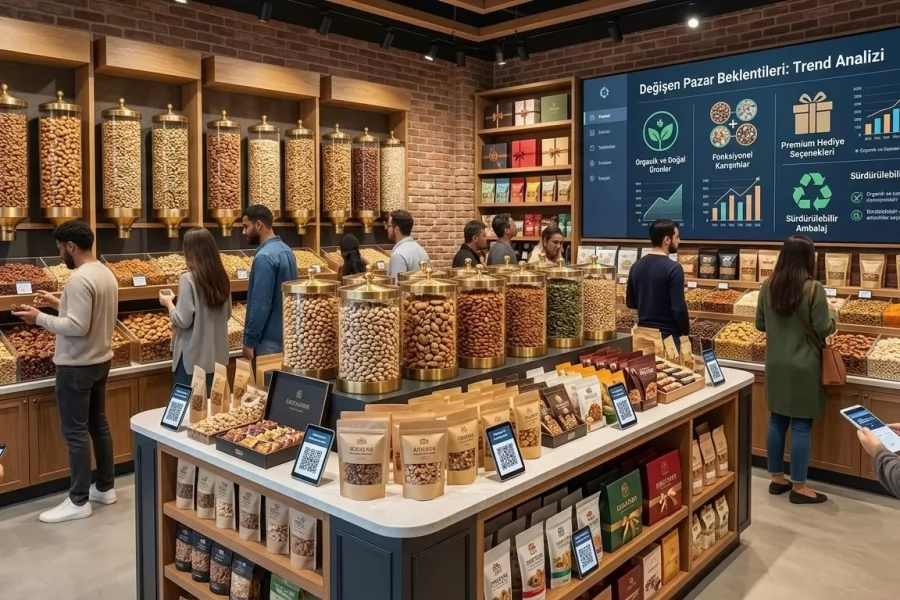
The nut industry continues to evolve in response to changing lifestyles and customer expectations, alongside established consumption habits. When shopping, consumers may consider product variety, packaging, presentation, and convenience. These factors encourage manufacturers and retailers to review their product portfolios regularly.
Roasted chickpeas, hazelnuts, pistachios, and other nut products appeal to different age groups and consumption preferences. The continued popularity of traditional products highlights the value of production experience, while growing interest in alternative options also supports the development of more diverse product ranges.
Understanding changing expectations can help businesses offer more suitable choices and organize their sales activities more effectively.
Why Is Product Variety Important?
Product variety is one of the key ways businesses can respond to different customer needs. Consumers do not all share the same preferences for flavor, package size, or product type. A broad and balanced portfolio can therefore provide an advantage for businesses seeking to serve different customer groups.
For example, some consumers prefer traditional yellow roasted chickpeas, while others may choose white roasted chickpeas or coated varieties. Offering different nuts and snack products at the same retail location allows customers to select products that match their preferences.
However, increasing the number of products alone is not enough. Demand levels, quality characteristics, packaging options, and supply conditions should be evaluated together. This approach can help businesses meet customer expectations while managing inventory more efficiently.
The Role of Packaging and Presentation in Consumer Expectations
Packaging plays an important role in presenting nut products for sale. In addition to helping protect the product, it can influence how consumers identify the item, assess its quantity, and make purchasing decisions.
Smaller packages may be suitable for individual consumption and portability, while larger packs can meet the needs of families or bulk buyers. For wholesale businesses, offering different weights and packaging formats can make it easier to serve retailers with different requirements.
Clear product information, convenient packaging, and suitable protection are important considerations in packaging design. Choosing packaging that matches the product can help support quality expectations throughout the journey from production to the point of sale.
Traditional Products and New Flavor Options
Traditional products remain an important part of the nut industry. Familiar varieties such as yellow and white roasted chickpeas have been available to consumers through different sales channels for many years. Coated roasted chickpeas and other snack options further contribute to product diversity.
Offering traditional products alongside alternative flavors can help businesses reach customers with different preferences. This approach preserves the value of familiar products while introducing consumers to additional choices.
Customer feedback is an important part of product development. Monitoring which varieties attract the most interest, which packaging formats customers prefer, and what new options they would like to see can help businesses build their portfolios more strategically.
Market Expectations in Wholesale Nut Trade
The needs of wholesale nut businesses can vary according to the characteristics of their retail customers and sales channels. Large supermarkets, local nut shops, and other retailers may not order the same products in the same quantities. For this reason, product variety must be supported by effective order planning and reliable supply.
Reviewing previous sales, evaluating seasonal demand, and setting order quantities accordingly can improve wholesale planning. Communication between manufacturers and retailers helps both sides understand which products may be required, when they will be needed, and in what quantities.
Consistent supply and clear communication help businesses provide a more dependable service to their customers. At the same time, product portfolios should be managed carefully to avoid holding excessive inventory of products with limited demand.
How Do Quality and Consistency Influence Consumer Trust?
Offering a broad product range is important, but maintaining product quality is equally essential. Consumers expect purchased products to meet certain characteristics. Appearance, flavor, packaging, and storage conditions all contribute to the overall product experience.
Careful production management and appropriate quality control procedures help ensure that products are prepared according to defined standards. Businesses offering several varieties should also consider the specific characteristics and requirements of each product category.
Attention to quality can support customer satisfaction and contribute to the continuity of commercial relationships between manufacturers and retailers. Reviewing feedback also makes it possible to identify areas for improvement and take appropriate action.
Hisarsan Kuruyemiş and Serinhisar's Production Heritage
Hisarsan Kuruyemiş was founded in 1976 by Hacı Mehmet Kabayuka in Serinhisar, Denizli. The production journey began in a region known for roasted chickpeas and developed over the years into a heritage carried forward by the third generation. In 2004, the company strengthened its corporate structure under the name Hisarsan Kuruyemiş San. Tic. Ltd. Şti.
Serinhisar's production tradition represents a valuable body of experience in preparing roasted chickpeas and developing different product options. Preserving this heritage is important, while following changing market conditions is equally valuable.
Hisarsan Kuruyemiş's production experience provides a foundation for considering traditional flavors alongside modern consumer expectations. Understanding product variety, monitoring customer needs, and improving production processes are important elements of long-term commercial activity in the roasted chickpea and nut sector.
Adapting to Changing Market Conditions
Market expectations in the nut industry can change over time. Consumer interest in different products, evolving packaging preferences, and expanding sales channels encourage businesses to keep their product and supply plans up to date.
Regularly reviewing sales data, considering customer feedback, and evaluating the product portfolio can help businesses respond to these changes. Cooperation between manufacturers and retailers also supports a more prepared response to emerging expectations.
Ultimately, product variety, quality, packaging, and supply processes are interconnected elements of the nut industry. Hisarsan Kuruyemiş's production history in Serinhisar highlights the importance of considering traditional roasted chickpea culture alongside changing market expectations.