



How Roasting Influences the Flavor of Nuts
Why Is Roasting Important?
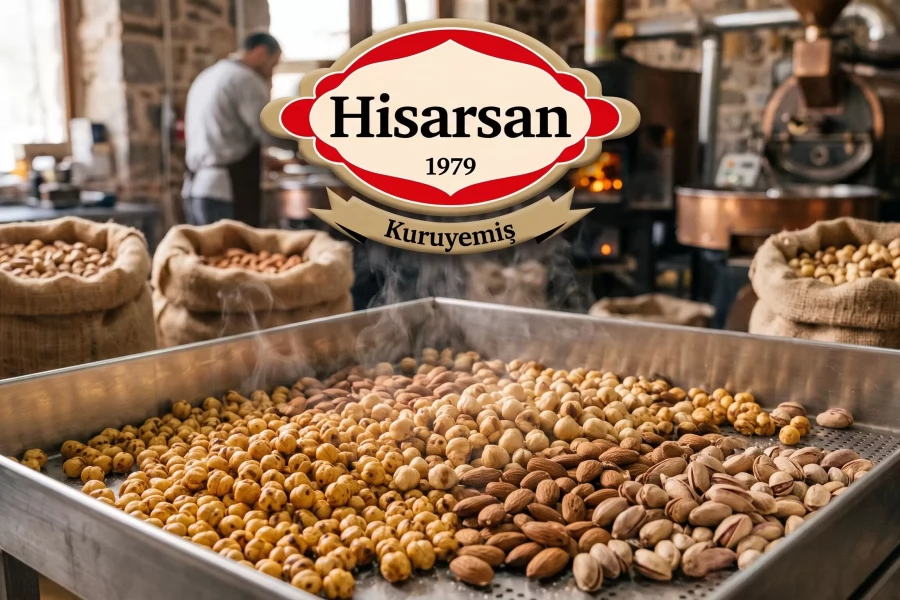
Roasting is one of the processing stages that helps develop the aroma and flavor characteristics of nuts. The temperature and duration of roasting can create different changes in the structure of each variety. For this reason, roasting is not simply the application of heat but a controlled process that influences the character of the finished product.
Changes in Aroma and Flavor
During heat treatment, the natural aromas of nuts may become more pronounced, while new flavor characteristics can develop. In hazelnuts, almonds, and certain other varieties, roasting can change the overall taste profile. Roasted nuts therefore offer a different eating experience compared with their raw counterparts.
Effects on Texture and Color
Roasting can also influence the texture and appearance of nuts. Proper heat treatment may create a crispier texture in certain varieties. Changes in color can vary according to the roasting level. Managing temperature and time carefully is important for maintaining the desired product characteristics.
Different Consumer Preferences
Raw and roasted nuts appeal to different preferences because they have distinct aromas and textures. Some people enjoy the milder, natural flavor of raw varieties, while others prefer the richer taste developed through roasting. When exploring Hisarsan Nuts selections, considering the processing characteristics and personal flavor expectations can help consumers discover suitable options.