


From Serinhisar to Global Markets: The Future of Roasted Chickpea Prod..
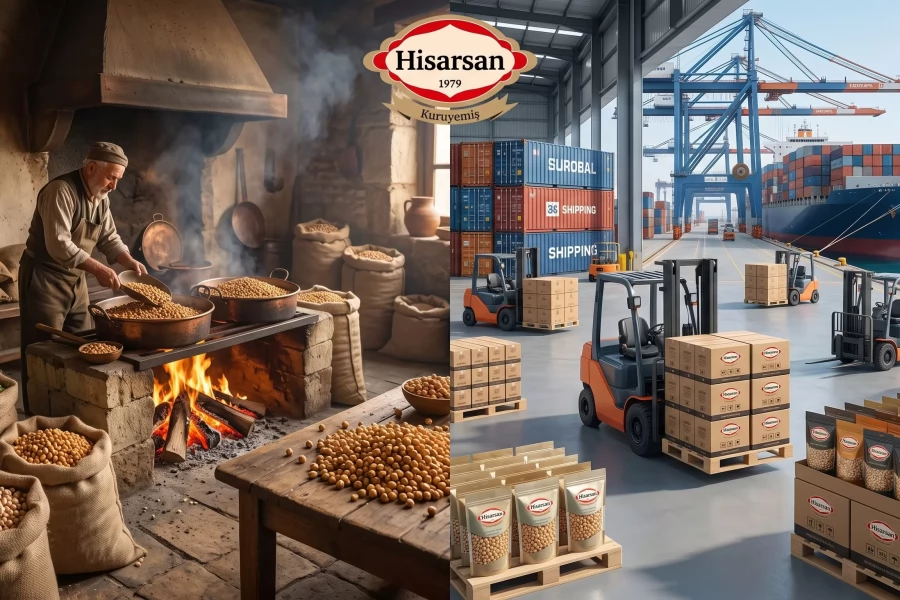
Roasted chickpeas are among Türkiye's traditional snacks, valued for their long production history and variety of options suited to different consumer preferences. The Denizli district of Serinhisar is one of the regions closely associated with roasted chickpea production and plays an important role in preserving this tradition. The area's accumulated production experience provides a valuable foundation for bringing traditional flavors to wider markets.
The international development of food trade creates opportunities for manufacturers to reach new markets and serve different customer groups. However, establishing a lasting presence in international markets requires careful consideration of product quality, variety, packaging, logistics, and commercial partnerships.
Serinhisar's Place in Roasted Chickpea Production
Serinhisar is one of Türkiye's recognized roasted chickpea production centers. Its production culture has been strengthened by years of practical experience and the transfer of traditional methods from one generation to the next. This accumulated knowledge helps position roasted chickpeas not only as a local product but also as a traditional flavor that can be introduced to different markets.
Preserving regional production culture also means maintaining the connection between a product, its history, and the place where it is made. Serinhisar's identity as a roasted chickpea production center is an important asset in presenting the product and communicating its background to consumers.
Businesses that continue this production tradition also play a role in passing knowledge on to future generations. Preserving and developing production expertise can help strengthen the region's position in the industry.
Opportunities for Roasted Chickpeas in International Markets
Interest in traditional products from different countries and new snack options can create opportunities in international food markets. With their different varieties and uses, roasted chickpeas are among the products that manufacturers can explore in these markets.
However, consumer habits, product preferences, and sales channels vary from country to country. Businesses planning to enter new markets should therefore research local expectations, competitive conditions, and applicable regulatory requirements.
Market research can help manufacturers understand which varieties consumers prefer, which package sizes are suitable, and which sales channels may be appropriate. This information supports more realistic export planning.
Product Variety and Changing Consumer Preferences
Although yellow and white roasted chickpeas are among the best-known traditional varieties, the product range has expanded to include additional options. Coated roasted chickpeas and other snack products offer consumers different flavors and textures.
For manufacturers seeking to operate in international markets, product diversity can create opportunities to reach different customer groups. However, each new product should be evaluated in relation to demand, quality expectations, and sales conditions in the target market.
Product development can preserve the value of traditional varieties while responding to new consumer preferences. This enables manufacturers to maintain established product lines while developing alternatives for different markets.
Quality Standards and Product Reliability
Product quality and food safety are fundamental priorities in international trade. Businesses exporting products to different countries need to consider local food regulations, labeling rules, traceability requirements, and relevant quality standards.
Maintaining hygienic production conditions, assessing raw materials appropriately, storing products correctly, and conducting the necessary checks are all important. Providing clear and accurate product information also helps buyers evaluate products more easily.
A systematic approach to quality supports export operations while helping strengthen a manufacturer's commercial reputation and long-term customer relationships.
The Importance of Packaging and Logistics
Delivering products to international markets requires careful logistics planning alongside production. Transit times, storage conditions, packaging characteristics, and delivery schedules should all be considered together.
Packaging suited to the product helps protect it during transportation and storage. The information displayed on packaging must also meet the requirements of the destination market. Different countries may have specific rules concerning label language, ingredient declarations, and other mandatory information.
Order quantities, shipment schedules, and delivery terms are also important in logistics planning. Preparing these processes in advance helps commercial operations run more smoothly and supports trust between business partners.
Hisarsan Kuruyemiş's Production Heritage and Future Vision
Hisarsan Kuruyemiş was founded in 1976 by Hacı Mehmet Kabayuka in Serinhisar, Denizli. In 2004, the company developed its corporate structure under the name Hisarsan Kuruyemiş San. Tic. Ltd. Şti. Today, its production experience continues into the third generation.
This journey, shaped by Serinhisar's roasted chickpea tradition, highlights the importance of preserving traditional production knowledge over time. The company offers a broad range of products, including yellow and white roasted chickpeas, coated varieties, and other nut products.
Combining production experience with changing consumer expectations, understanding the needs of different markets, and developing long-term commercial relationships are important for businesses seeking international growth. Hisarsan Kuruyemiş's established history provides a strong foundation of experience for pursuing these goals.
The Global Journey of a Traditional Flavor
Serinhisar roasted chickpeas reflect Türkiye's production culture and traditional snack heritage. To reach wider audiences in international markets, manufacturers need to maintain product quality, develop product variety, and understand the needs of target markets.
Export-oriented growth involves more than shipping products to new countries. It also requires reliable supply processes, sustainable partnerships with buyers, and the ability to adapt to changing market conditions.
For companies such as Hisarsan Kuruyemiş, which have maintained production experience across generations, preserving traditional values and exploring future opportunities are complementary goals. With careful planning and consistent development, the roasted chickpea tradition that began in Serinhisar has the potential to gain broader recognition in international markets.