


Beyond Yellow and White Roasted Chickpeas: A Variety of Snack Products
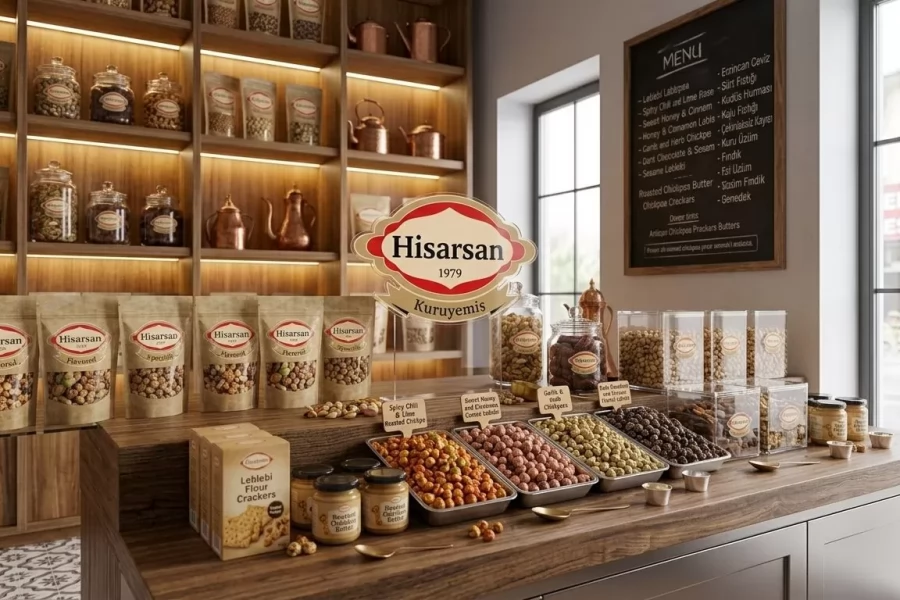
Snack products are enjoyed at different moments throughout the day and appeal to a wide range of consumers. Traditional flavors remain popular, while different tastes, textures, and presentation options can also influence purchasing decisions. As a result, product variety has become an important consideration for manufacturers and retailers operating in the snack industry.
Roasted chickpeas hold a special place in Türkiye's traditional snack culture. Production in Serinhisar, a district of Denizli closely associated with roasted chickpeas, reflects a heritage built on production knowledge passed down through generations. Alongside familiar varieties such as yellow and white roasted chickpeas, coated options appeal to consumers with different preferences.
Expanding a product range can help businesses reach different customer groups and offer more choices at their points of sale. This allows traditional products to remain relevant while introducing alternatives that respond to changing consumption habits.
Yellow Roasted Chickpeas: A Traditional Favorite
Yellow roasted chickpeas are among the best-known roasted chickpea varieties in Türkiye. With their distinctive color and roasted flavor, they are commonly found in supermarkets, nut shops, and other retail outlets. They are also available in a range of packaging formats.
The production of yellow roasted chickpeas involves several important stages, including chickpea selection, preparation, roasting, and resting. Careful management of these stages helps preserve the product's appearance and characteristic qualities.
Consumers can enjoy yellow roasted chickpeas on their own or combine them with other nuts in snack mixes. Different packaging options, from small individual packs to larger bags, make the product suitable for a variety of sales channels and consumption occasions.
White Roasted Chickpeas: A Different Product Experience
White roasted chickpeas stand out through their appearance and the processing methods used in their production. The preparation method, the characteristics of the chickpeas, and the processing stages can all influence the final product.
White roasted chickpeas have established their place among traditional snack varieties and appeal to consumers with different preferences. They can be offered individually or alongside other snack products.
For retailers, offering both yellow and white roasted chickpeas gives customers the opportunity to choose between familiar alternatives. This approach broadens the product selection while maintaining a connection with traditional flavors.
Coated Roasted Chickpeas and New Flavor Experiences
In addition to traditional products, the snack industry includes options with different flavors and textures. Coated roasted chickpeas provide a distinct eating experience through the coating applied to their outer surface. Sweet, savory, and flavored varieties can appeal to consumers looking for something different from classic roasted chickpeas.
When developing coated products, manufacturers need to consider the coating's texture, the product's appearance, packaging, and storage conditions. Protecting product characteristics and presenting the product appropriately require coordinated production and packaging processes.
Offering several roasted chickpea varieties within one product category creates opportunities for wholesalers and retailers to expand their portfolios. Classic flavors and alternative taste experiences can therefore be offered side by side.
Product Variety in the Nut and Snack Industry
Roasted chickpeas are just one part of the wider snack market. Other nuts and snack products also influence consumer purchasing decisions. When building a product range, businesses should consider their target customers, sales channels, packaging preferences, and the occasions on which products are consumed.
For example, smaller packages may be convenient for individual consumption and easy transport, while larger packs may suit families or bulk purchasing. Mixed snack selections can appeal to consumers who want to enjoy several flavors in one package.
Product variety is not simply about stocking a larger number of items. It also involves matching the right products with the right customer groups and managing inventory according to sales expectations. Product quality, packaging, supply continuity, and customer feedback should all be considered when selecting products.
The Advantages of Product Variety in Wholesale Trade
In wholesale nuts and snacks, a diverse product range can help businesses serve different sales outlets and customer groups. Supermarkets, specialist nut shops, local retailers, and other commercial businesses often have distinct product requirements based on their customers' preferences.
A broader portfolio can help suppliers respond to these different expectations. However, product variety should not be measured only by the number of items available. Demand levels, order quantities, packaging formats, and supply conditions also need to be considered.
Reliable supply is an important part of making product variety commercially sustainable. Effective communication between manufacturers and retailers helps organize orders and prepare businesses to respond to customer demand more efficiently.
Hisarsan Kuruyemiş and Serinhisar's Production Heritage
Hisarsan Kuruyemiş began its production journey in 1976, founded by Hacı Mehmet Kabayuka in Serinhisar, Denizli. Established in a region known for roasted chickpea production, the business developed over the years into a production heritage carried forward by the third generation. In 2004, the company strengthened its corporate structure under the name Hisarsan Kuruyemiş San. Tic. Ltd. Şti.
Serinhisar's accumulated experience in roasted chickpea production plays an important role in preserving traditional flavors and passing production knowledge to new generations. Following changing consumer expectations and considering different product options are also important factors in the industry's development.
With its experience in roasted chickpeas and nuts, Hisarsan Kuruyemiş represents the continuity of traditional production culture. This experience provides a strong foundation for considering product variety alongside changing market needs.
Future Expectations in the Snack Industry
Consumer interest in different flavors, convenient packaging, and a wider selection of products continues to increase the importance of variety in the snack industry. Maintaining the recognition of traditional products while responding to new expectations can be a valuable approach for manufacturers and retailers.
In the coming years, coordination between product development, packaging options, quality processes, and supply planning will remain important. Reviewing customer feedback and monitoring sales trends can help businesses shape their product portfolios more effectively.
Ultimately, the broad range of snacks extending from yellow and white roasted chickpeas to coated varieties and other nut products offers diverse opportunities for the industry. Hisarsan Kuruyemiş's longstanding production history in Serinhisar highlights the value of combining traditional flavors with an understanding of today's changing product expectations.